
Raffle vs Sweepstakes vs Contest
Prize, chance and payment: the three ingredients that decide what your giveaway really is.
Run a Fair DrawRaffle, sweepstakes and contest are often used as if they mean the same thing. Legally they don’t, and choosing the wrong one can turn a fun promotion into an illegal lottery. Here is the general framework, in plain English.
The Three Ingredients
Regulators in most states look at three elements:
| Element | What it means | Example |
|---|---|---|
| Prize | Something of value the winner receives. | A gift card, product, trip or cash. |
| Chance | The winner is decided by luck rather than skill. | A random draw from all entries. |
| Consideration | Entrants give something of value to take part. | Buying a ticket or a product to enter. |
When all three are present, the promotion is generally a lottery. States run their own lotteries, and most other lotteries are illegal unless a specific law allows them. Every legal promotion removes at least one ingredient.
Raffle: Prize + Chance + Payment
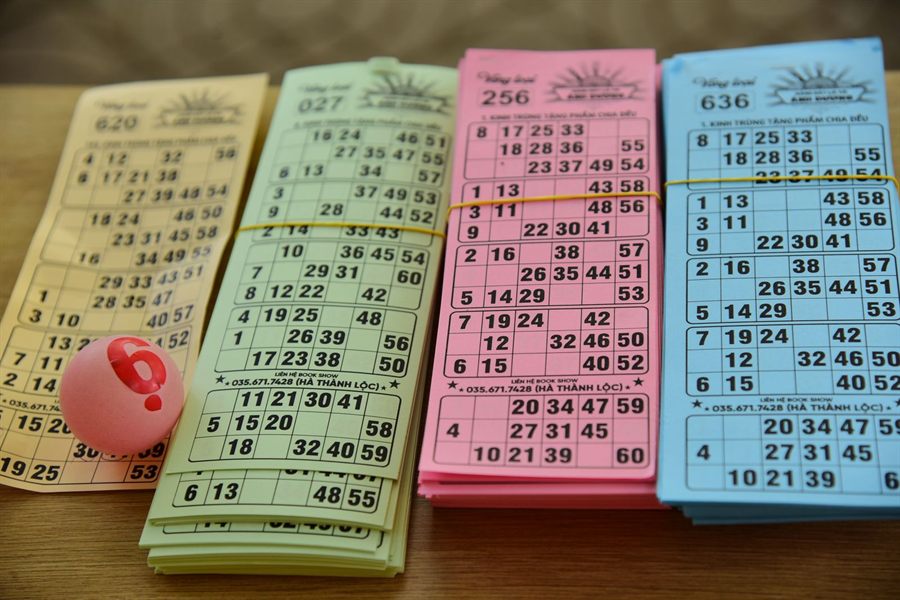
A raffle sells chances — you buy a ticket, and a random draw picks the winner. Because it has all three ingredients, it is a form of gambling, and most states allow it only for qualified nonprofit organizations under charitable gaming laws. Those laws often require a license, limit who may sell tickets and how proceeds are used, and set reporting rules. Even a school or church raffle may need permission. Check with your state’s gaming regulator, attorney general or state consumer protection office before you sell a single ticket.
Sweepstakes: Prize + Chance, No Payment
A sweepstakes keeps the prize and the random draw but removes consideration: anyone can enter free, and a purchase cannot improve the odds. That is the source of the familiar “no purchase necessary” line and the free “alternate method of entry” in many promotions. Businesses use sweepstakes for social media giveaways, newsletter sign-ups and in-store drawings. Some states add registration or bonding requirements for larger prizes.
Contest: Prize + Skill

A contest removes chance. Entries — photos, essays, recipes, designs — are judged against criteria published in the rules, and the best entries win. Because skill replaces luck, many states allow contests to charge an entry fee, though some restrict that too. The judging must be real; a “contest” that ends in a random draw among the entries is really a sweepstakes or lottery.
Hybrids are common: a photo contest might add a random “fan favorite” draw. Each part should follow its own rules.
Which One Is Right for You?
Business giveaway
Usually a sweepstakes: free entry, random draw, official rules. Use our random winner picker for the draw.
Charity fundraiser
A raffle may be possible if your organization qualifies and gets any required license.
Show off talent
A contest with clear judging criteria and named judges.
Raffle and Sweepstakes Questions
Can a small business run a raffle?
Usually not. In many states, selling chances to win a prize is gambling unless a qualified nonprofit runs it under the state’s charitable raffle law, often with a license. Check with your state’s gaming regulator or attorney general before selling any tickets.
Is a skill contest always legal?
Not automatically. True skill contests can usually charge an entry fee in more states than a chance-based promotion can, but rules differ, and some states restrict paid contests too. The judging must genuinely be based on skill, with criteria published in the rules.
Is a free giveaway on my page a sweepstakes?
If anyone can enter free and the winner is picked at random, it is generally treated as a sweepstakes, so the usual sweepstakes rules (official rules, no purchase necessary, eligibility) apply.
Not legal advice. Promotion, raffle and gaming laws differ from state to state and change over time. This page explains general concepts; before you run a giveaway with real prizes, check your state’s rules and talk to an attorney who handles promotions.
Running a Free Sweepstakes?
Follow our step-by-step routine for a fair draw: clean entry list, screen recording, alternates and safe winner contact.
Read the Fair Giveaway Guide